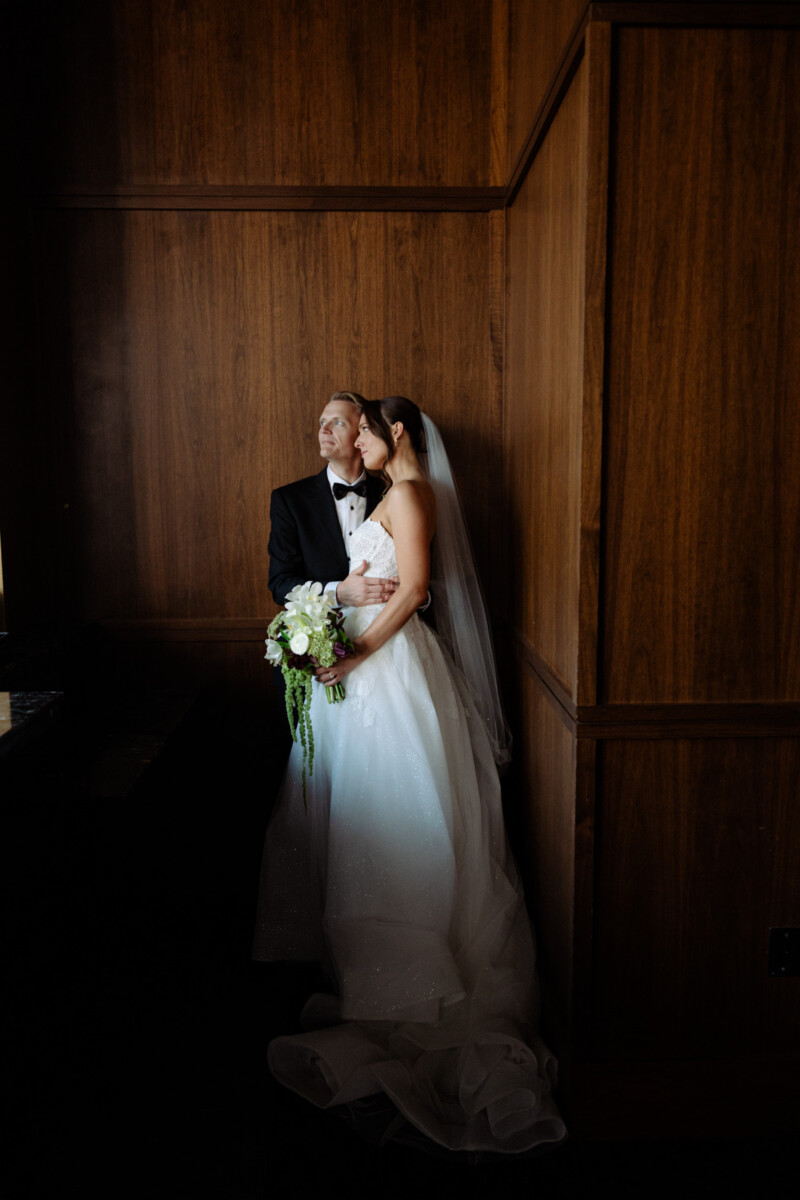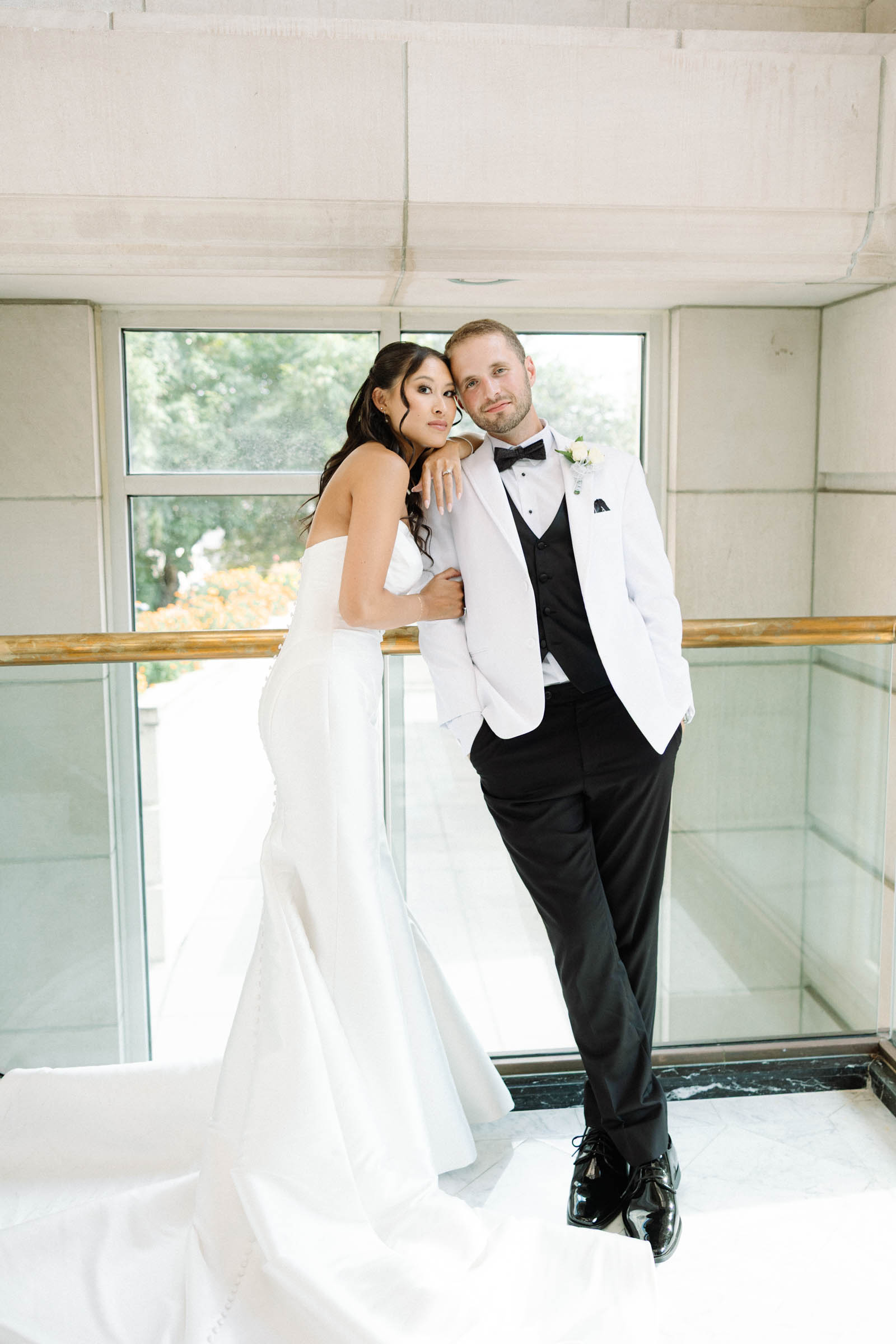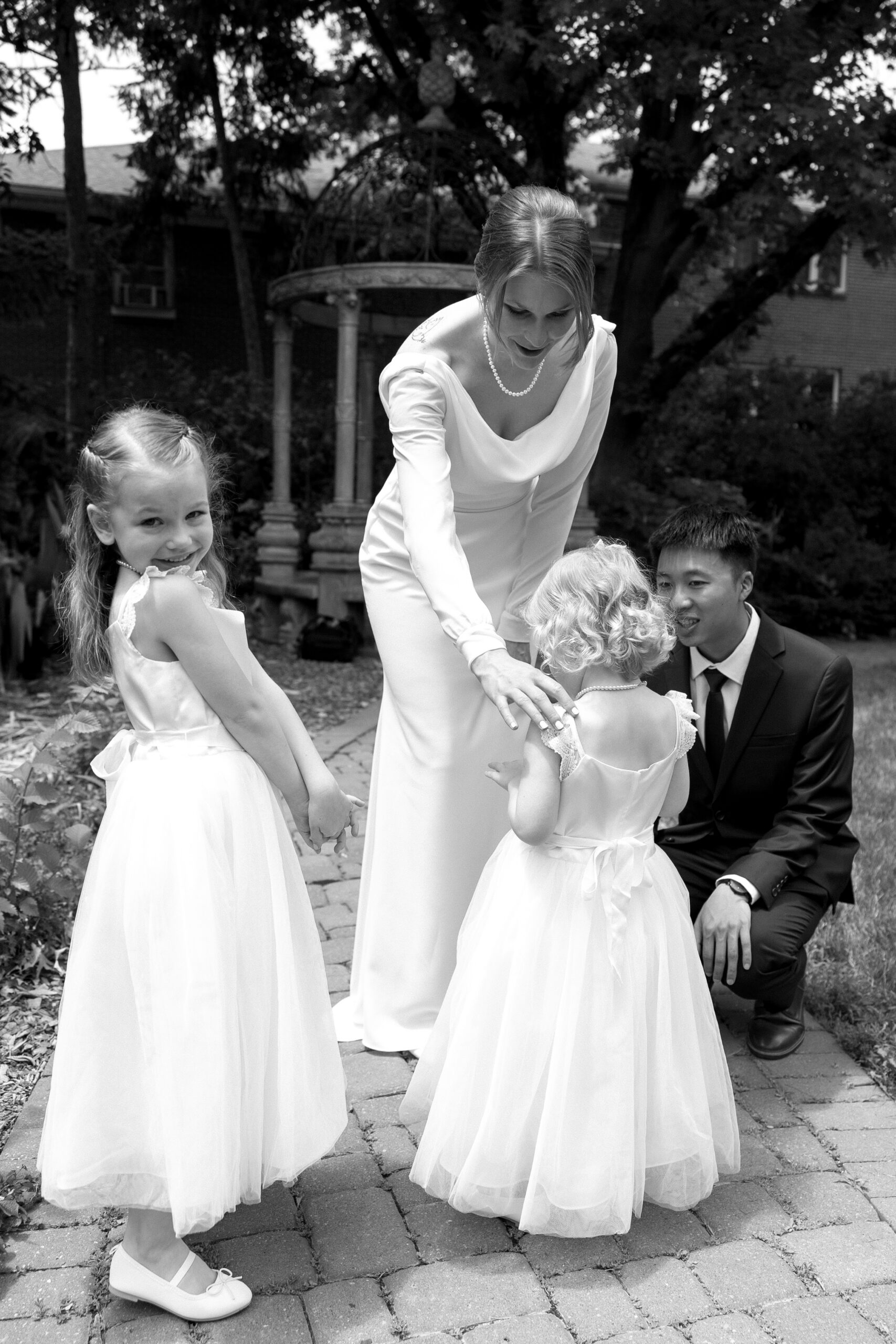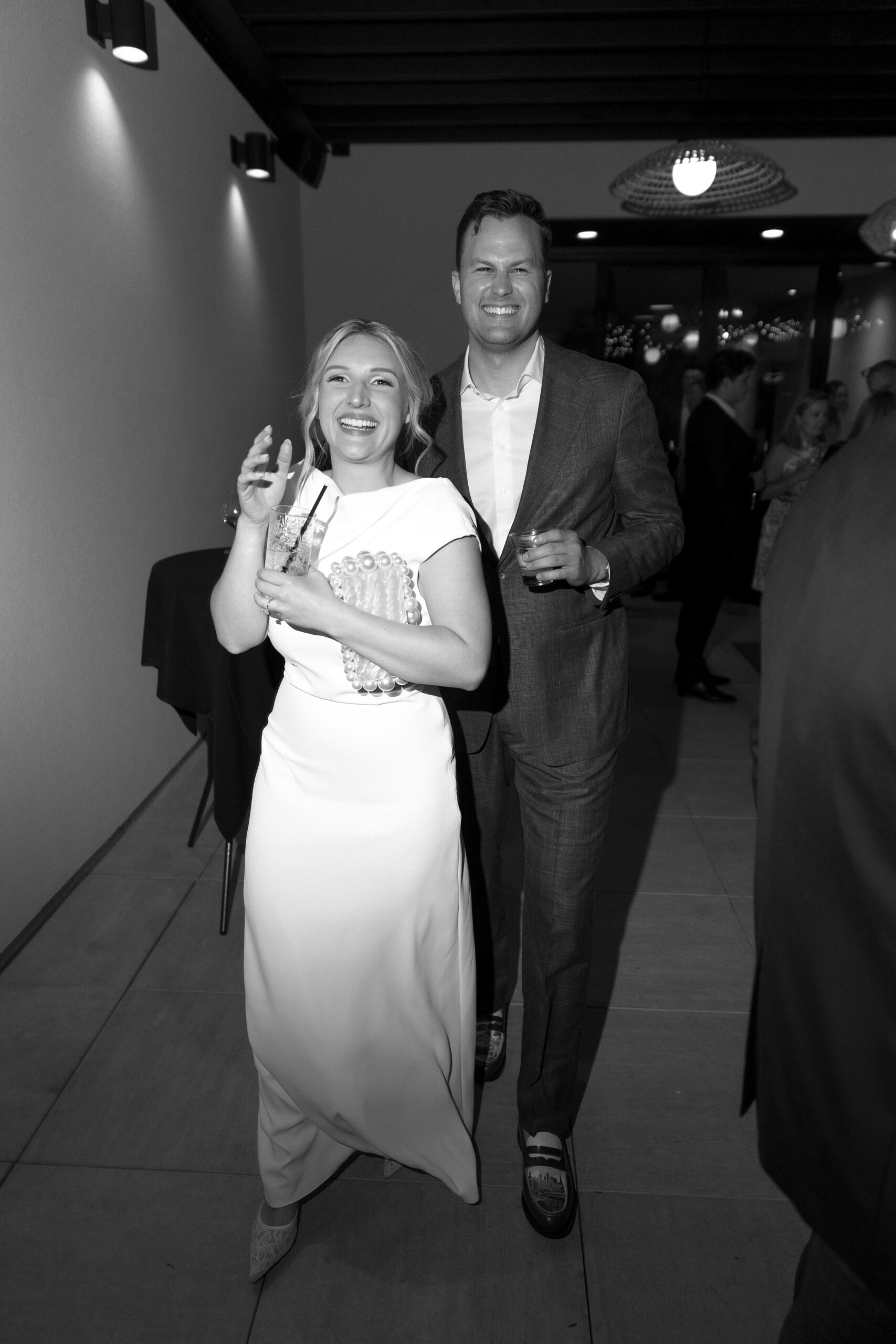
One of the best ways to ensure your wedding day feels calm, joyful, and true to who you are is to create a thoughtful wedding day timeline. Before considering logistics or exact times, the most important thing is planning a day that genuinely feels amazing to you. Your timeline should support the experience you want—not dictate it.
Your wedding should feel comfortable, intentional, and completely YOU.
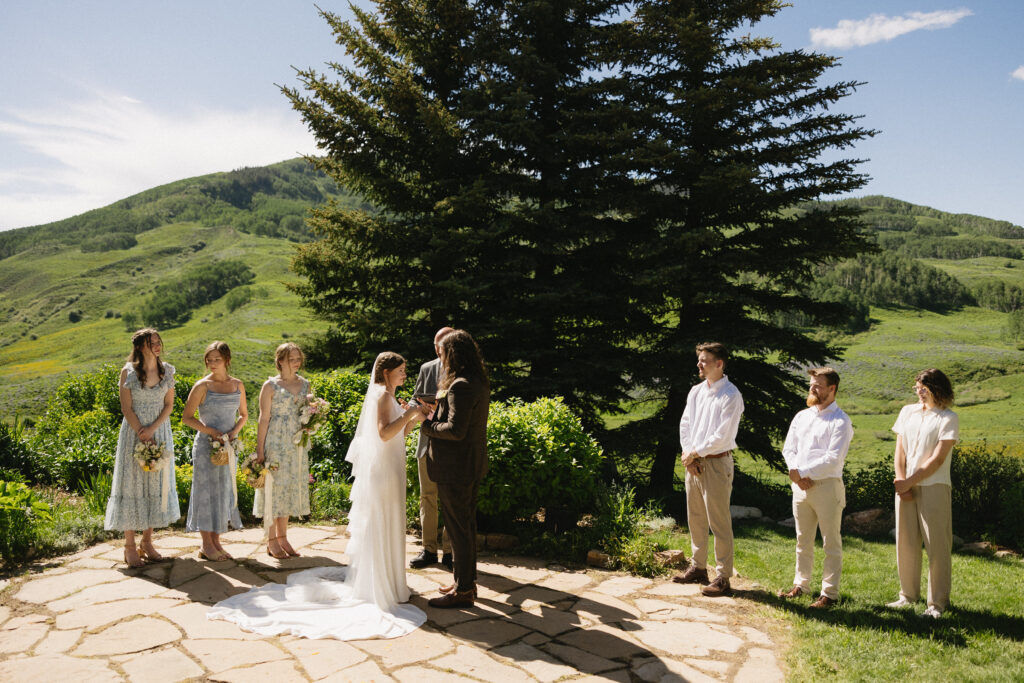
Start With What Matters Most
Before you dive into exact times, take a moment with your partner to talk through what really matters to both of you. This is the foundation of a wedding day timeline that feels relaxed, intentional, and uniquely yours.
Start by asking: WHAT MOMENTS OF THE DAY ARE MOST IMPORTANT TO YOU? Maybe it’s the getting-ready process, your first look, or a long cocktail hour to mingle with guests. Whatever it is, make sure your timeline gives it the space it deserves.
Next, think about THE PHOTOS YOU VALUE MOST. Whether it’s getting-ready details, family portraits, or extra time for couple photos, plan enough time to capture the images that will matter to you for years to come.
Don’t forget to BUILD INTENTIONAL MOMENTS ALONE TOGETHER. Quiet pockets—like a few minutes just after the ceremony, sitting down to eat together, or a sunset photo session—can become some of the sweetest memories of your day.
It’s also wise to PLAN MORE TIME THAN YOU THINK YOU NEED. Weddings rarely run exactly on schedule, and extra buffer time keeps things feeling calm instead of rushed.
Finally, COMMUNICATE YOUR TIMELINE WITH KEY PEOPLE. Sharing the plan in advance ensures everyone knows where to be and when, which reduces stress and keeps the day running smoothly.
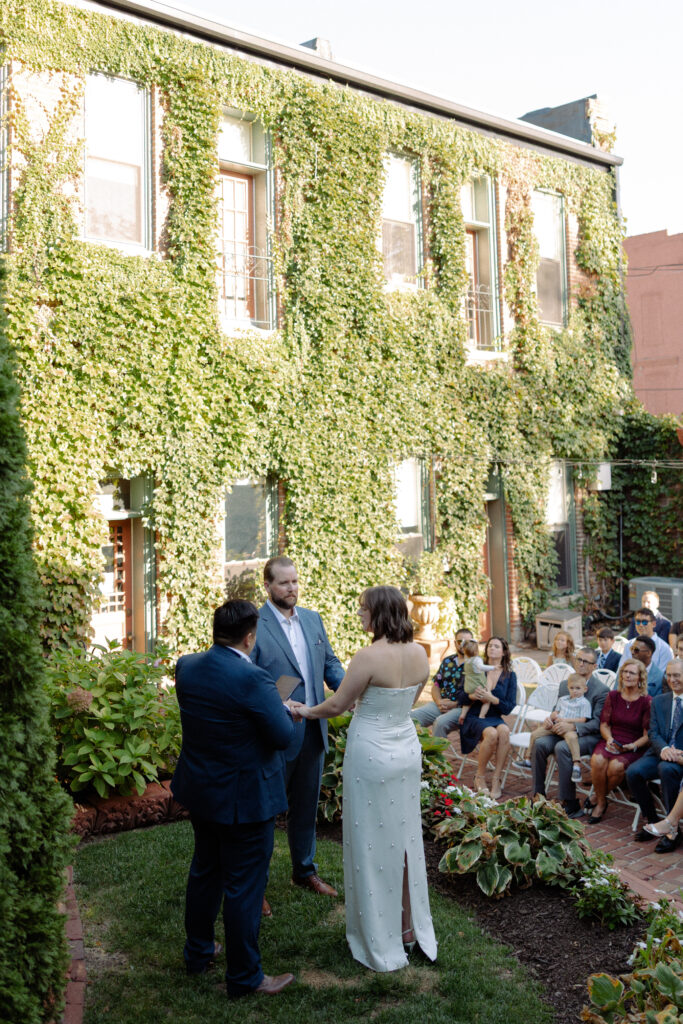
Figuring Out How Much Photo Coverage You Need
Deciding how many hours of photography coverage you need is a big part of building a wedding day timeline. I usually start with 8 hours of coverage and then adjust up or down by the hour depending on your day, your priorities, and what moments you want captured.
Here’s what I typically plan for:
Wedding party photos: I usually need about 30 minutes, though this can vary depending on the size of your wedding party.
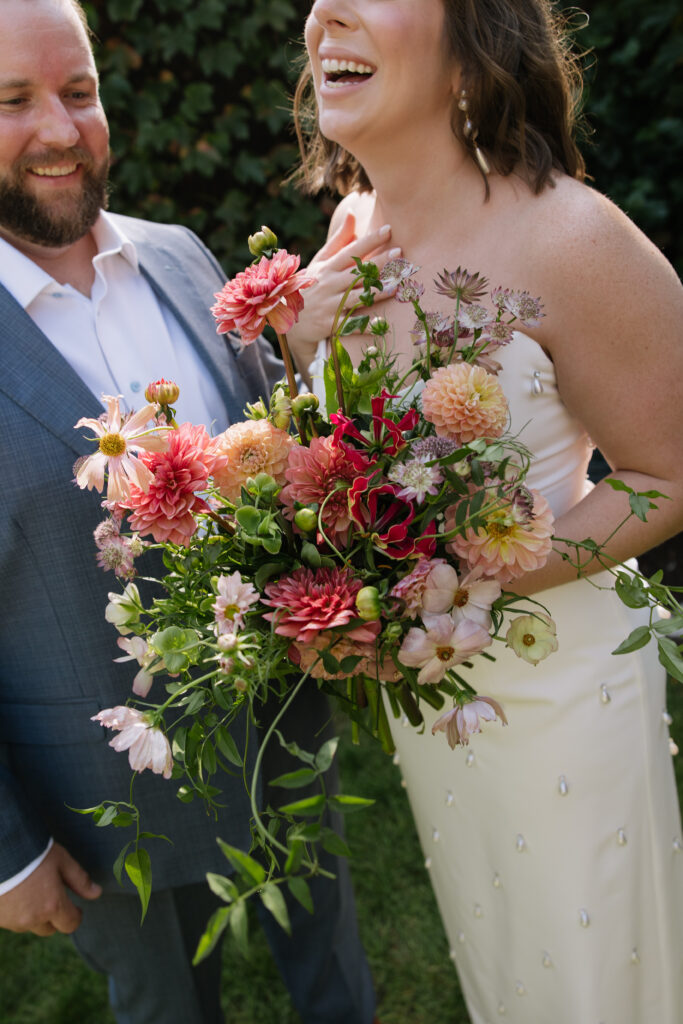
Detail photos: Time for capturing your rings, dress, shoes, invitation suite, and other little details should be built in at the start of the day.
Family photos: This depends on you and your family—some couples want a lot, others just a few key shots. For guidance, you can check out this blog post on family photo planning for tips on what to include and how long it might take.
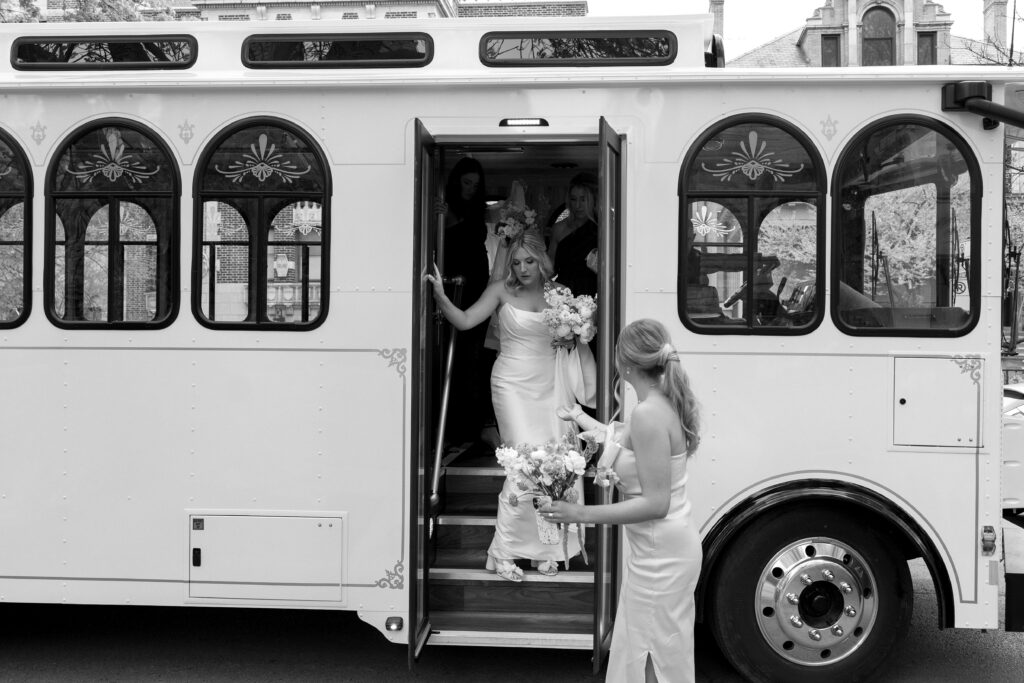
Travel Time: Don’t forget to factor in time to get from location to location. Rounding everyone up before heading to the ceremony and getting everyone on the party bus can take a bit longer than expected. Make sure to account for that!
A quick conversation with your photographer can help fine-tune the schedule so your coverage matches your day without feeling rushed. This ensures that all the moments that matter most to you are captured, from the quiet details to the big celebrations.
Deciding Whether or Not to Have a First Look
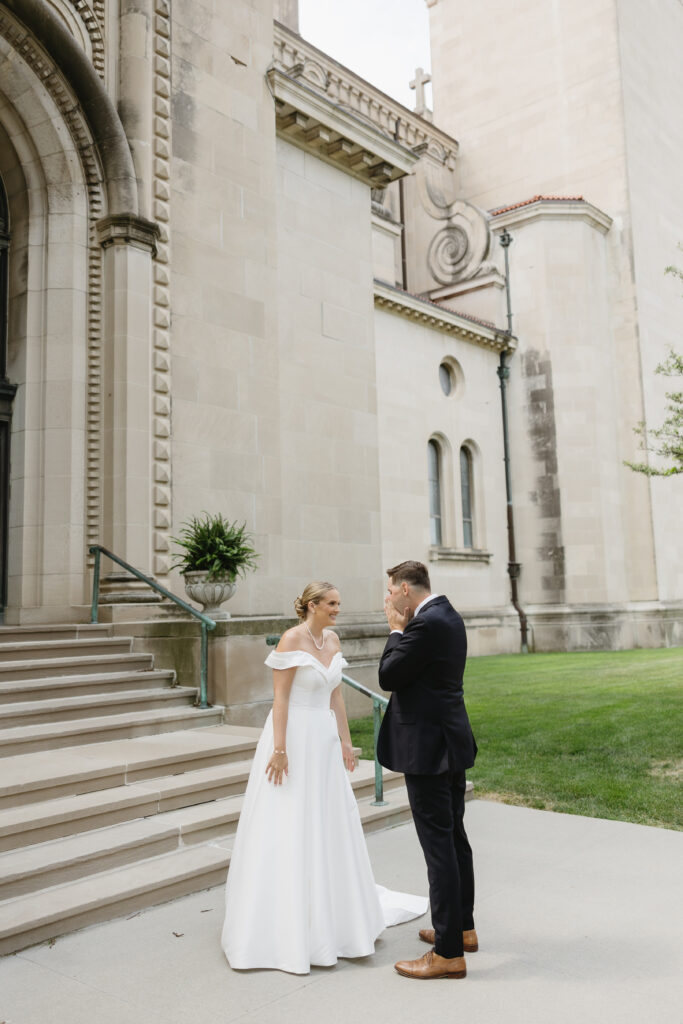
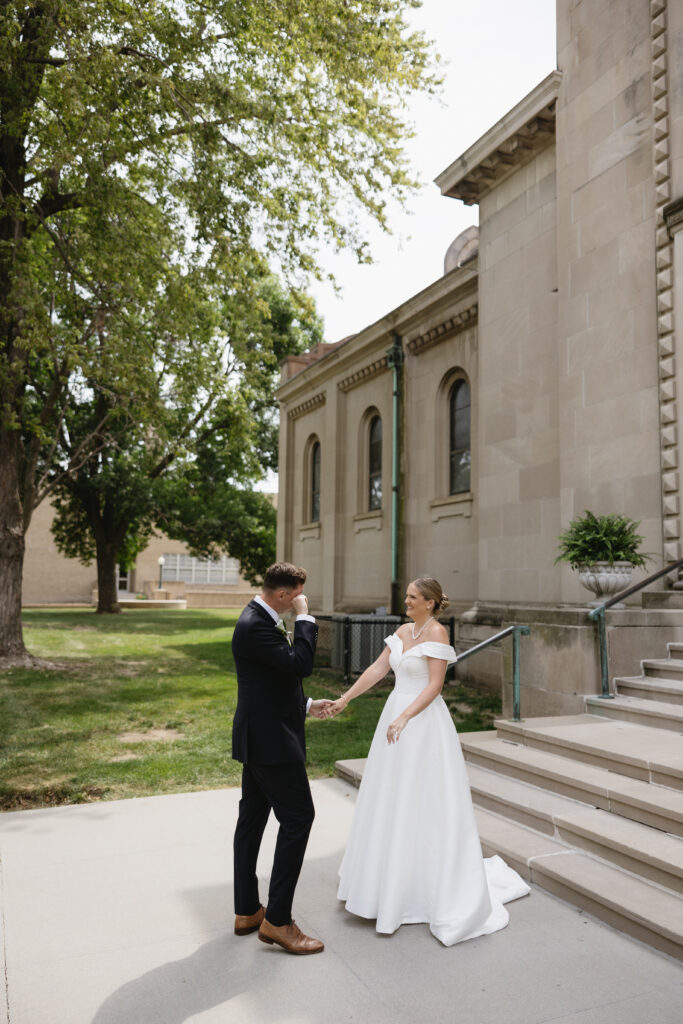
One of the biggest choices that affects your wedding day timeline is whether or not you plan to have a first look. There’s no right or wrong here, both are beautiful in their own ways.
A first look gives you a private moment together before the ceremony. It usually opens up the timeline a bit more, allowing for couple portraits, wedding party photos, and even some family portraits before the ceremony. This often means you can enjoy your cocktail hour without rushing.
If you prefer to skip the first look and save that moment for the aisle, that’s incredibly powerful too. Just remember that portraits will happen after the ceremony, which typically means you’ll want a longer window before the reception begins.
Planning for Your Ceremony
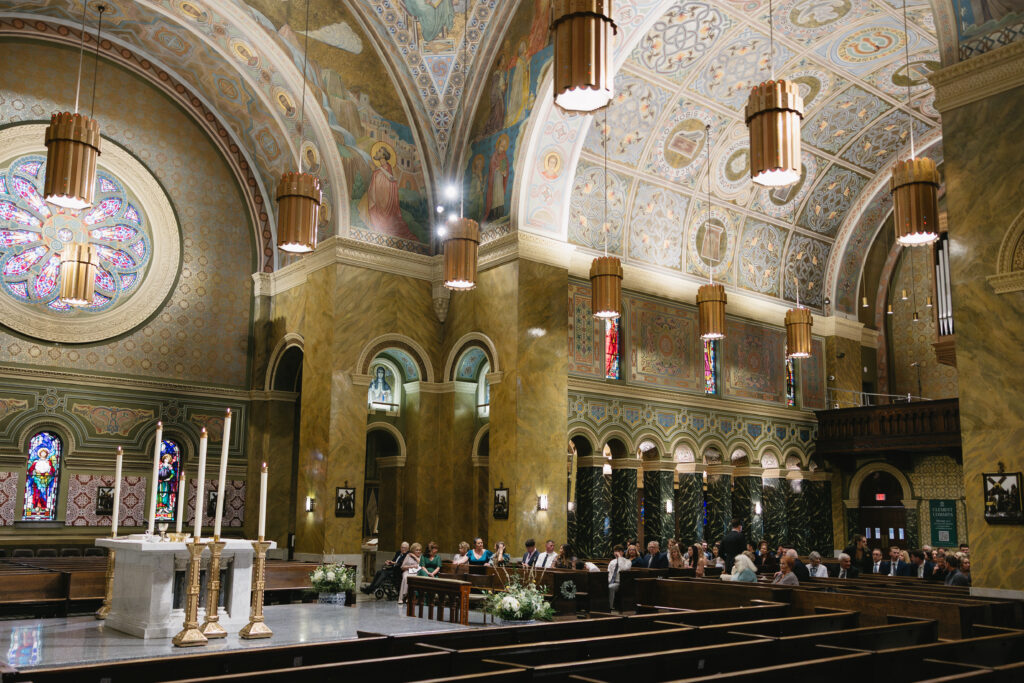
Not all ceremonies are the same length, and your timeline should reflect that. For example, a traditional Catholic ceremony is often longer—sometimes 45 minutes to an hour—because of readings, rituals, and the full Mass. Shorter ceremonies, like civil or non-denominational ones, might only be 15–30 minutes.
Knowing the type of ceremony you’re having helps you build the rest of your timeline. A longer ceremony might mean starting your day earlier for portraits, while a shorter ceremony gives you more flexibility afterward for couple or family photos. Planning around your ceremony length ensures nothing feels rushed and gives you plenty of time to enjoy each moment.
Okay, So What Does a Wedding Day Timeline Even Look Like?
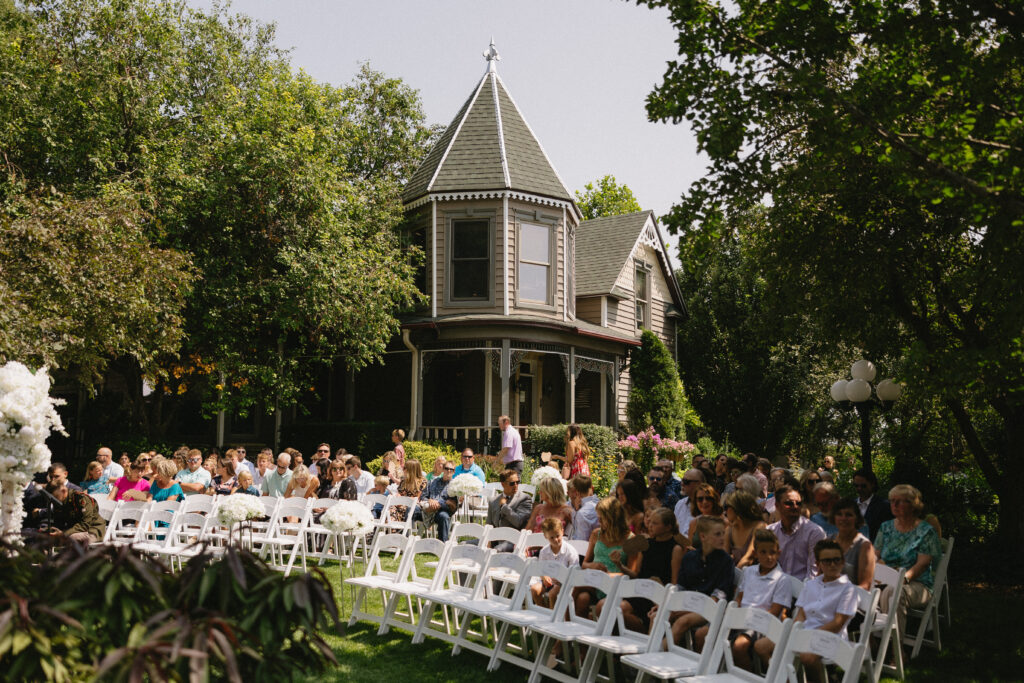
Here are a couple of examples. One shows a shorter ceremony, and one gives you an idea of what your day may look like if you are planning a longer, Catholic ceremony. As you take a look, remember, these are just examples! They are a great jumping off point, however, keep in mind that you can tailor them to you and your needs! It’s your day after all!
Shorter Ceremony (8 Hours of Coverage)
12:00 pm: Photographer Arrives, Begins Detail Photos
1:15 pm: Bride leaves for the Venue
1:45 pm: First Look with Dad
2:00 pm: First Look with Bride and Groom
2:30 pm: Wedding Party Photos
3:00 pm: Immediate Family Photos
4:00 PM: Ceremony
4:35 pm: Extended Family Photos / Cocktail Hour
5:45–6:00 PM: Reception Start Time/ Entrance/ First dance
6:30 pm: Speeches
7:00 pm: Parent Dances / Possible Sunset Photos
7:15 pm: Open Dance Floor
8:00 pm: Photographers Leave
Catholic Ceremony (10 hours of coverage)
10:00 am: Photographer Arrives, Begins Getting Ready Photos and Detail Photos
11:00 am: First Look with Bride and Groom
11:30 am: Wedding Party Photos
12:00 pm: Family Photos
12:30 pm: Done with Photos
1:30 pm: Ceremony Begins
2:30 pm: Ceremony Ends
3:00 pm: Party Bus!
3:15 pm: Stop for More Photos
5:00 pm: Cocktail Hour
5:45 pm: Reception Begins, Wedding Party Enters
6:00 рm: Dinner/ Cake Cutting
6:45 pm: Toasts
7:00 pm: First Dances
7:15 pm: Open Dance Floor
8:00 pm: Photographers Leave
Pulling It All Together
Once you’ve talked through your priorities, photo coverage, and whether or not you’ll do a first look, the rest of the timeline comes together naturally. Start with your ceremony time, build around the moments that matter most, and give yourself plenty of breathing room so nothing feels rushed.
If creating a wedding day timeline feels overwhelming, you don’t have to do it on your own. As a Nebraska wedding photographer, helping couples plan a smooth, stress-free day is a big part of what I do. If you’re still looking for someone to photograph your wedding—and help make your timeline feel effortless—I’d love to chat.
Inquire Here!
+ view the comments